 Hapoo
Hapoo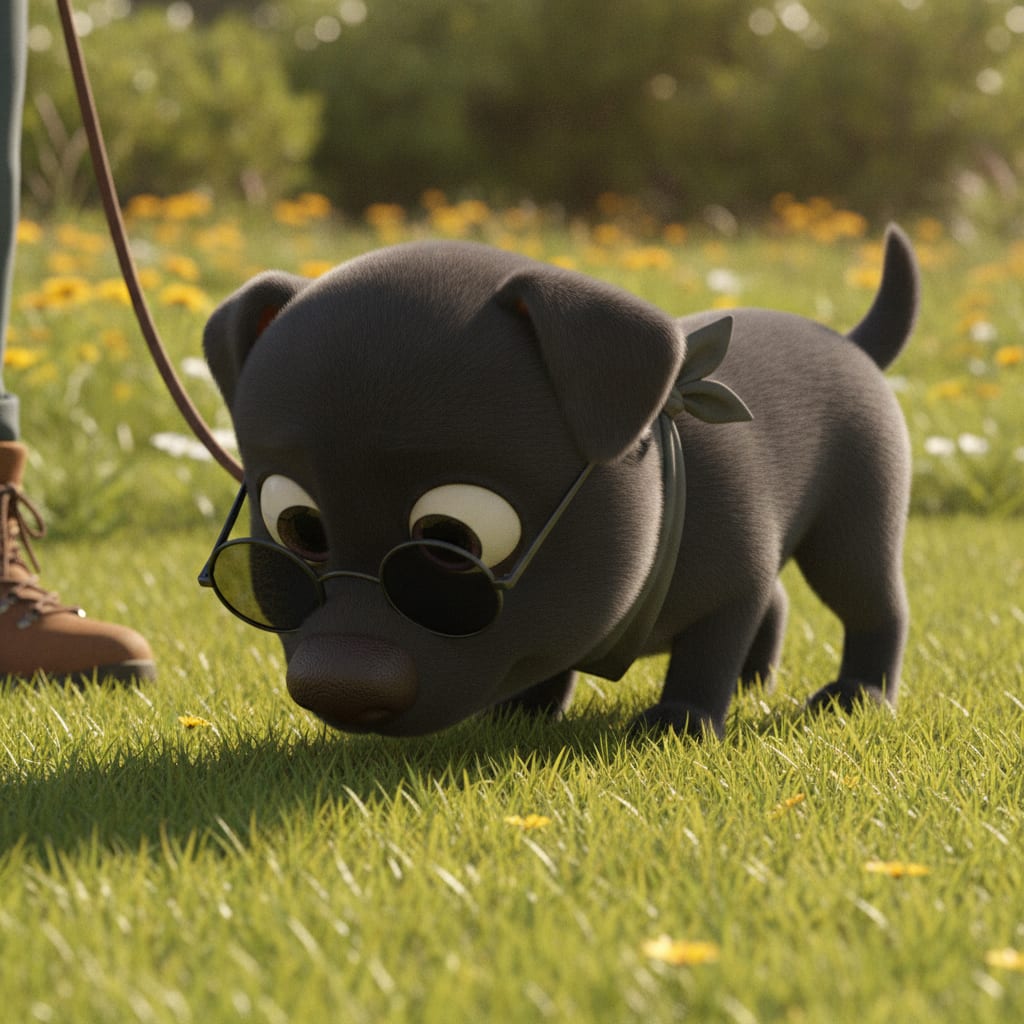
A dog that's still restless after what looked like a perfectly good walk isn't always asking for a longer one. Often, it's asking for a different kind entirely — one that uses a different sort of energy than distance and pace measure.
Two different kinds of tired
Physical exercise burns the obvious kind of energy — the one a longer or faster walk directly addresses. Mental stimulation is a separate axis: sniffing, tracking, investigating, taking in a genuinely new environment. It's a well-established idea in dog behaviour circles, sometimes called a "sniffari" when done deliberately — and pound for pound, a slow, investigative walk can tire a dog out more thoroughly than a fast one, because it's asking something a fast pace doesn't.
Why the fast walk sometimes doesn't fix it
A dog that's genuinely under-stimulated rather than under-exercised can come home from a brisk, efficient walk just as restless as it left — because the walk solved a problem the dog didn't actually have. This is a common, slightly counterintuitive pattern: more distance doesn't reliably fix restlessness if the restlessness was never really about distance in the first place.
What this looks like in practice
Letting sniffing happen instead of marching a dog past every interesting smell on the way somewhere. Varying the route sometimes, rather than the same loop on autopilot. Allowing genuine investigation time on part of a walk, rather than optimising the entire thing purely for pace or mileage. None of this requires a special programme or extra time necessarily — often it just means the same walk, taken slightly less efficiently on purpose.
Why this fits how Hapoo already thinks about a walk
This isn't a new idea bolted onto the app — it's close to the whole premise. Motion-based counting notices a walk happened without caring whether it was a fast lap or a slow, sniffy exploration of the same three streets, because both are genuinely a walk, and the slower one often did more for the dog than the faster one would have.
The practical takeaway isn't "walk less" or "walk more" — it's that the two kinds of tired aren't interchangeable, and a dog that's had plenty of the first kind can still be short on the second. Worth noticing which one you're actually looking at before reaching for a longer walk as the automatic answer.